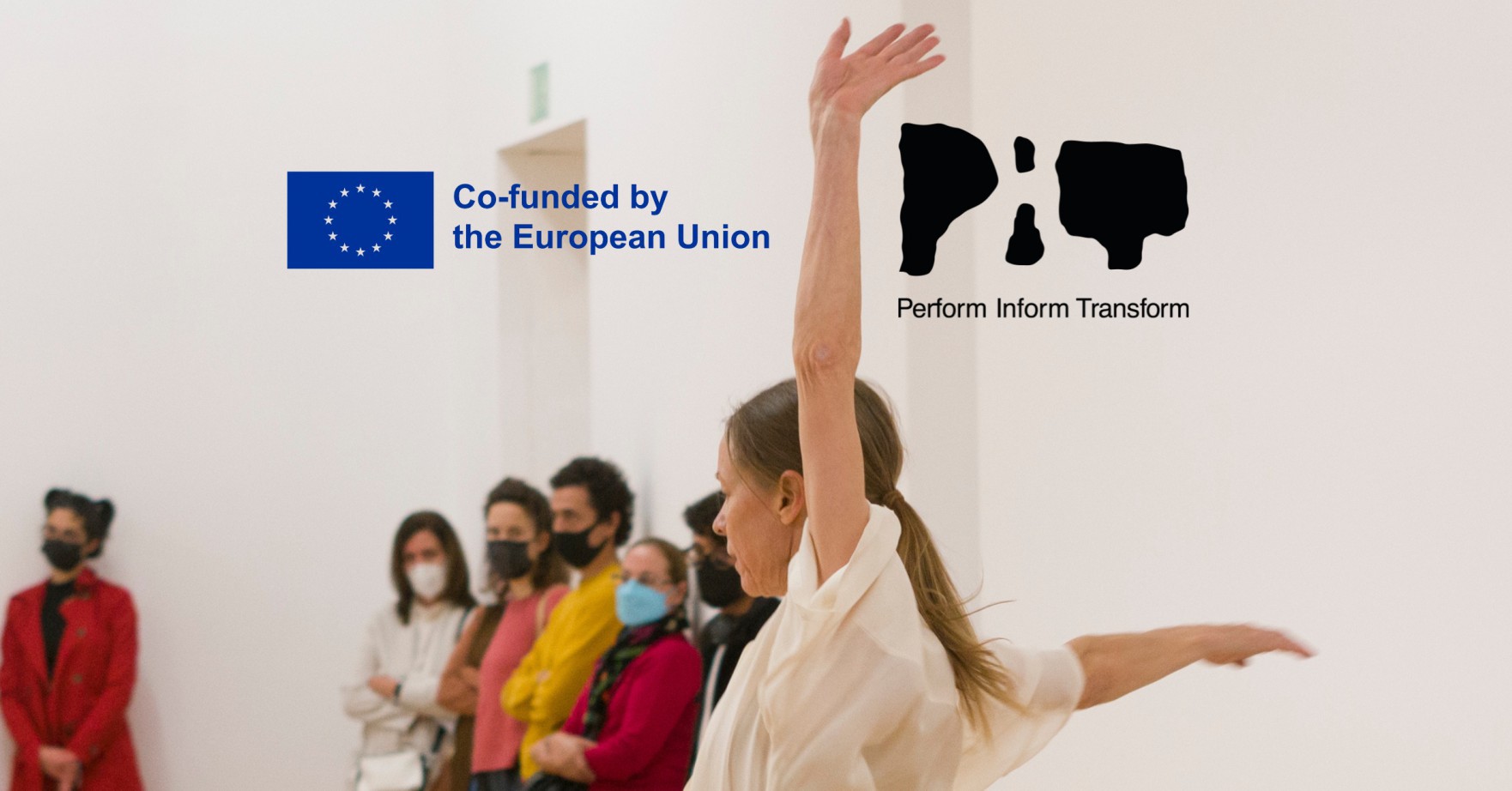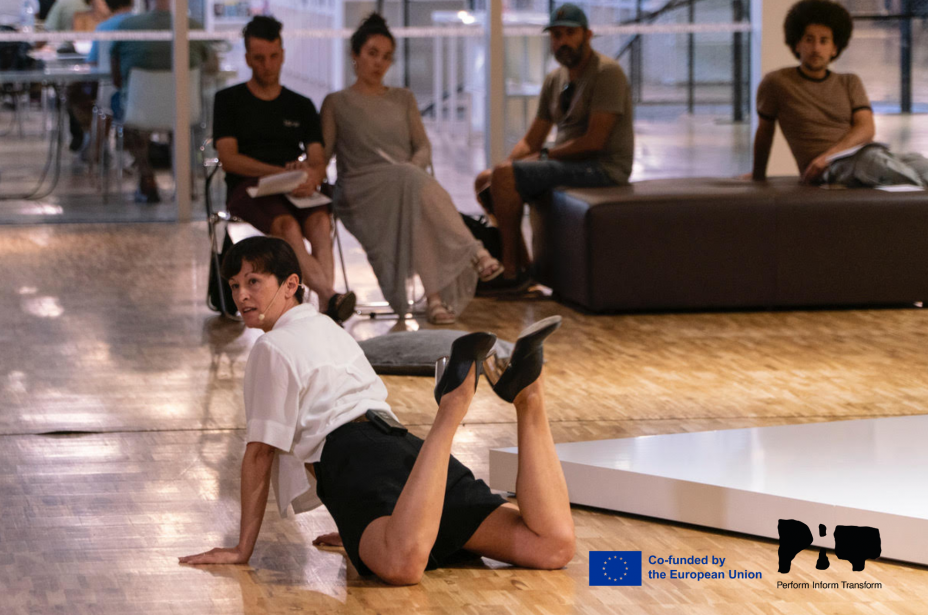
El museo TEA Tenerife Espacio de las Artes es uno de los seis centros europeos que forma parte del proyecto PIT (Perform Inform Transform: Participatory Performance in Art Museums) [Performa Informa Transforma: Performance Participativa en Museos de Arte], un programa de investigación, producción y difusión que se desarrollará durante tres años (2025-2027) y cuyo objetivo es explorar nuevas formas de activación en vivo que pongan en valor la relación entre las prácticas del cuerpo y el museo. A través de la performance, PIT busca fortalecer el vínculo entre la ciudadanía y las instituciones culturales en Europa, proponiendo nuevos enfoques de diálogo participativo e intergeneracional. Y asume, a su vez, que la producción y la presentación de estas experiencias también enfrentan desafíos éticos, ambientales, técnicos y artísticos.
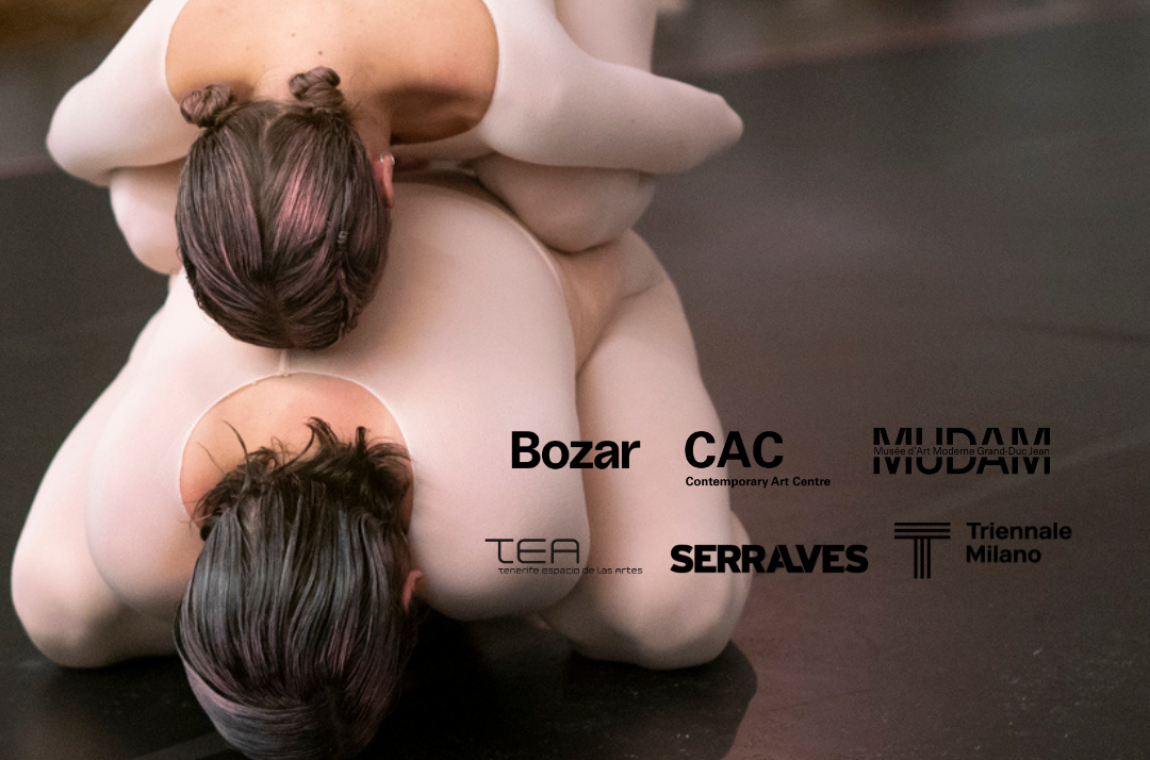
En este proyecto -subvencionado por el Creative Europe Programme de la Unión Europea dentro de la línea Cooperation Project- participan, además de TEA (único museo español que forma parte de PIT), el Centre for Fine Arts-Bozar Brussels (Bélgica); el MUDAM-The Contemporary Art Museum of Luxembourg (Luxemburgo), el CAC Vilnius (Lituania), la Fundação de Serralves (Oporto, Portugal) y Triennale Milano (Milán, Italia).
La participación de TEA en este proyecto es una respuesta al trabajo que se ha realizado estos últimos años, en los que se ha buscado explorar cómo el cuerpo, como elemento activo y participativo, puede integrarse en el museo. El proyecto se alinea con el objetivo de transformar el museo en un espacio de encuentro, diálogo y experiencia compartida, donde las distinciones entre observación pasiva y acción se desdibujen. Desde esta perspectiva, el museo propone que las artes vivas amplíen las formas de presencia, trascendiendo la mera contemplación estética, y fomenten relaciones colaborativas y multidireccionales entre individuos y colectivos.
En un mundo post Covid, marcado por diferentes tensiones, hay una creciente ansiedad en nuestras democracias. De ahí que el PIT aborde estos desafíos explorando nuevas formas de activación en vivo entre cuerpos y espacios de conocimiento y patrimonio, como los museos. A través del arte performativo, el proyecto busca reconectar a los ciudadanos con sus cuerpos, con otros individuos y con las democracias, exigiendo diferentes espacios de mediación y acciones de expresión física.
Las performances pueden alimentar la relación entre la ciudadanía y los museos, proponiendo nuevos paradigmas para diálogos participativos e intergeneracionales. El reconocimiento, la movilidad y la visibilidad de esta forma de arte híbrido y su valor social se han convertido en una cuestión urgente.
Entre los objetivos que se pretenden alcanzar con este proyecto se encuentran el de mejorar la comprensión y fomentar el intercambio global de conocimientos entre profesionales sobre los desafíos de integrar prácticas performativas participativas en los museos; el de estimular las capacidades creativas de las comunidades y los artistas performativos a través de procesos de colaboración en los museos de Europa o el apoyar la movilidad transnacional y la visibilidad del arte performativo involucrando a las comunidades. Además de ello también se pretende desarrollar y divulgar un Manifiesto Europeo de Arte Performativo que defina protocolos de colaboración entre el arte performativo, los museos y las comunidades y sensibilizar y facilitar una comprensión más profunda del potencial del arte de la performance para las comunidades y los museos, dirigido a un público más amplio.

A través de la producción de performances, la organización de talleres y diferentes actividades de investigación, las proyecciones de cine y los debates que se llevarán a cabo en estos seis países europeos, PIT aspira a ofrecer respuestas a estas cuestiones y proponer nuevas formas de involucrar y activar los cuerpos en los espacios museísticos.
TEA Museum Presents PIT (Perform Inform Transform) Together with Other Leading European Art Institutions
The programme seeks to strengthen the relationship between citizens and cultural institutions across Europe through participatory performance
TEA Tenerife Espacio de las Artes is one of six European art institutions participating in PIT (Perform Inform Transform: Participatory Performance in Art Museums), a three-year research, production, and dissemination programme that aims to explore new forms of live activation that highlight the relationship between embodied practices and the museum. Through performance, PIT seeks to strengthen the connection between citizens and cultural institutions across Europe by proposing new approaches to participatory and intergenerational dialogue. At the same time, it acknowledges that the production and presentation of these experiences entail ethical, environmental, technical, and artistic challenges.
The project—funded by the European Union’s Creative Europe Programme under the Cooperation Projectsstrand—brings together TEA Tenerofe Espacio de las Artes (Santa Cruz de Tenerife, Spain), the Centre for Fine Arts – BOZAR Brussels (Belgium), MUDAM – The Contemporary Art Museum of Luxembourg(Luxembourg), CAC Vilnius (Lithuania), the Fundação de Serralves (Porto, Portugal), and Triennale Milano(Milan, Italy).
TEA’s participation in this initiative builds upon the work developed over recent years, which has sought to explore how the body, as an active and participatory element, can be integrated into the museum. The project aligns with the institution’s commitment to transforming the museum into a space of encounter, dialogue, and shared experience, where the distinctions between passive observation and action become increasingly blurred. From this perspective, TEA understands live arts as a means of expanding forms of presence beyond aesthetic contemplation and fostering collaborative and multidirectional relationships among individuals and communities.
In a post-Covid world marked by multiple tensions and growing anxiety within our democracies, PIT addresses these challenges by exploring new forms of live activation between bodies and spaces of knowledge and heritage, such as museums. Through performance art, the project seeks to reconnect citizens with their bodies, with one another, and with democratic life, calling for new spaces of mediation and opportunities for embodied expression.
Performance practices can nurture the relationship between citizens and museums by proposing new paradigms for participatory and intergenerational dialogue. The recognition, mobility, and visibility of this hybrid art form, together with its social value, have become increasingly urgent concerns.
Among the project’s objectives are enhancing understanding and fostering international knowledge exchange among professionals regarding the challenges of integrating participatory performance practices into museums; stimulating the creative capacities of communities and performance artists through collaborative processes in museums across Europe; and supporting the transnational mobility and visibility of performance art through community engagement. In addition, PIT aims to develop and disseminate a European Manifesto for Performance Art, establishing guidelines for collaboration between performance art, museums, and communities, while also raising awareness and promoting a deeper understanding of the potential of performance art among both museum professionals and wider audiences.
Through the production of performances, workshops, research activities, film screenings, and public discussions taking place across the six participating countries, PIT aspires to provide responses to these questions and to propose new ways of engaging and activating bodies within museum spaces.
Funded by the European Union. Views and opinions expressed are however those of the author(s) only and do not necessarily reflect those of the European Union or the European Education and Culture Executive Agency (EACEA). Neither the European Union nor EACEA can be held responsible for